


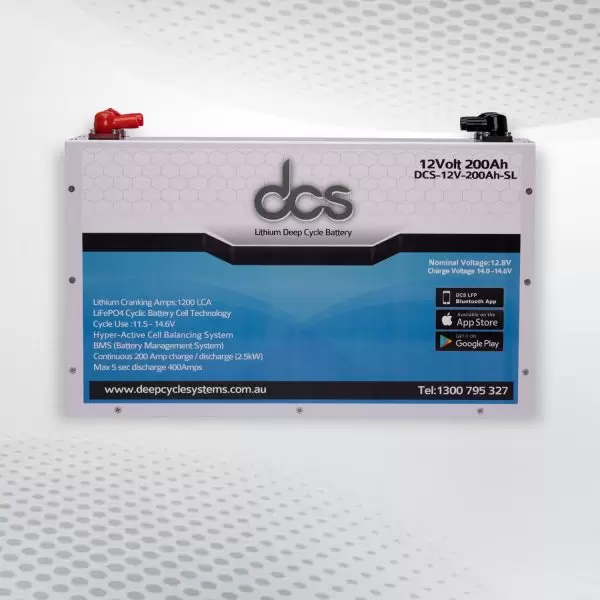

Are you considering upgrading your solar system with a 200Ah lithium battery? If so, you’ve come to the right place! Lithium batteries are quickly becoming the go-to choice for solar systems, and they offer a variety of benefits that make them well worth the investment.
High Energy Density
One of the primary benefits of upgrading to a 200 Ah lithium battery for your solar system is its high energy density. It means that lithium batteries can store a greater amount of energy in a smaller and lighter package compared to other battery types like lead-acid batteries. In fact, a 200 Ah lithium battery can provide the same or even more energy than a 300Ah lead-acid battery.
The high energy density of lithium batteries translates to more efficient energy storage, which can lead to greater cost savings in the long run. It is especially important for those who rely heavily on solar power, as they need to store as much energy as possible during the day to be able to use it at night.
In addition, lithium batteries are also able to discharge their stored energy at a higher rate compared to other batteries. It means that you can use more of your stored energy during periods of high demand, such as when you need to power appliances or other high-draw devices.
Cost-Effective In the Long Run
When it comes to investing in a solar system, one of the primary concerns is the long-term cost. While the upfront cost of a 200 Ah lithium battery may be higher compared to traditional lead-acid batteries, it is important to consider the long-term savings and benefits.
One of the key reasons why a 200 Ah lithium battery is cost-effective in the long run is its longer lifespan. Lithium batteries have a significantly longer lifespan compared to lead-acid batteries, which means you won’t have to replace them as frequently. It reduces the overall maintenance and replacement costs, saving you money in the long run.
Additionally, lithium batteries have a higher charge/discharge efficiency compared to lead-acid batteries. It means that you can store and utilize more of the energy generated by your solar panels, maximizing the value of your investment. With a higher efficiency, you can reduce your reliance on the grid and potentially even sell excess energy back to the utility company, further offsetting the initial cost of the battery.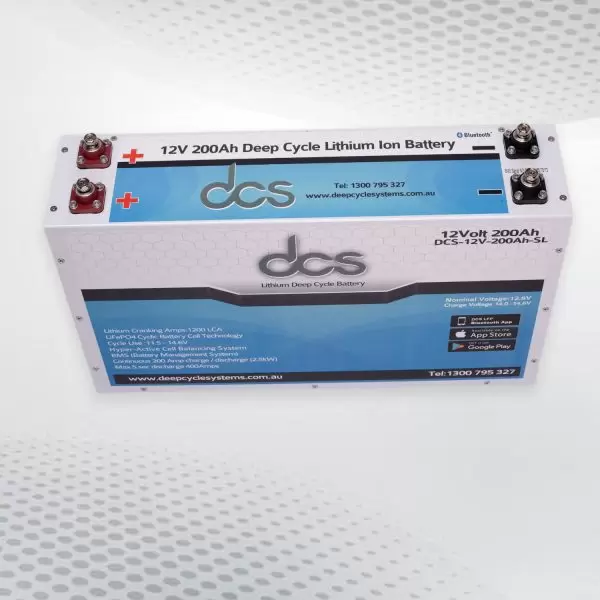
Improved Efficiency
When it comes to powering your solar system, one of the main concerns is the efficiency of your batteries. A 200 Ah lithium battery is an excellent choice because it is designed to improve the efficiency of your solar system.
Firstly, lithium batteries are known for their high energy density, which means they can store more energy than traditional batteries. This increased capacity allows the battery to provide more power for a longer period, ultimately reducing the strain on the battery and enhancing its efficiency.
Furthermore, the 200 Ah lithium battery is designed to minimize power losses through the charging and discharging process. Unlike traditional batteries that lose power in the form of heat, lithium batteries can maintain their energy level with minimal loss.
The battery also boasts a higher discharge rate, which allows it to discharge power at a faster rate without causing any damage to the battery. This means you can run more power-hungry appliances without worrying about the battery’s efficiency.
Ultimately, by upgrading to a 200 Ah lithium battery, you can significantly improve the efficiency of your solar system. With its ability to store more energy, minimize power losses, and provide power at a faster rate, the 200 Ah lithium battery is the perfect choice for anyone looking to maximize the efficiency of their solar system.
Slimline Lithium Battery Has Wide Temperature Range
One important advantage of upgrading to a slimline lithium battery for your solar system is its wide temperature range. Unlike other battery types, such as lead-acid batteries, which can be sensitive to extreme temperatures, lithium batteries are designed to perform well in a wide range of temperature conditions.
Whether you live in a region with hot summers or cold winters, a 200 Ah lithium battery can withstand and operate efficiently in temperatures ranging from -20°C to 60°C (-4°F to 140°F). It means that you don’t have to worry about your battery performance being affected by temperature fluctuations.
The wide temperature range capability of lithium batteries is particularly beneficial for solar system owners. During the summer, when temperatures can soar, the battery will remain stable and continue to provide reliable energy storage. Similarly, during the winter months, when temperatures drop, the lithium battery will still be able to perform optimally and meet your energy needs.
Safer To Use
One of the key advantages of upgrading to a 200 Ah lithium battery for your solar system is that it is safer to use compared to traditional lead-acid batteries. Safety is a crucial consideration when it comes to energy storage systems, as improper handling or malfunctions can lead to serious accidents or damage.
Lithium batteries have a much lower risk of explosion or leakage compared to lead-acid batteries. They are built with advanced safety features, including thermal sensors, voltage control mechanisms, and protective circuitry, which prevent overcharging, overheating, and short-circuiting.
Moreover, lithium batteries do not contain toxic chemicals like lead-acid batteries, making them safer for the environment and reducing the risk of exposure to harmful substances. It also means that lithium batteries can be easily disposed of or recycled without causing harm to the environment.
Additionally, lithium batteries have a longer lifespan and require less maintenance compared to lead-acid batteries. They do not need regular water refilling or equalization charges, reducing the risk of accidents or mishaps during maintenance.
Reduced Maintenance
One of the biggest benefits of upgrading to a 200 Ah lithium battery for your solar system is reduced maintenance. Compared to traditional lead-acid batteries, lithium batteries require very little maintenance, which can save you a lot of time and money in the long run.
Lead-acid batteries require regular maintenance, such as adding water to the cells, checking the specific gravity of the electrolyte, and equalizing the cells to ensure even charging. In contrast, lithium batteries are virtually maintenance-free. They don’t require any watering or equalizing, and their long lifespan means you won’t have to replace them as often.
Additionally, lithium batteries have a much lower self-discharge rate than lead-acid batteries, which means you won’t have to recharge them as often if they sit unused for a period of time. Itis especially beneficial if you use your solar system as a backup power source, as you can be confident that your battery will be fully charged when you need it.
With its long lifespan, high energy density, and low maintenance requirements, a lithium battery is a smart investment that can help you save money and reduce your environmental footprint.
Eco-Friendly
Apart from its excellent performance and longevity, a 200 Ah lithium battery is an environmentally friendly option for solar power systems. Unlike traditional lead-acid batteries that contain toxic chemicals, a lithium battery is a non-toxic and sustainable solution.
Lithium batteries produce a much smaller carbon footprint during production, use, and disposal than lead-acid batteries. The manufacturing process of lithium batteries produces less carbon dioxide, reducing greenhouse gas emissions and helping to combat climate change.
Additionally, lithium batteries have a longer lifespan than lead-acid batteries, resulting in less waste and fewer replacement needs. Once they have reached the end of their life, lithium batteries can be easily recycled, further reducing the impact on the environment.
In summary, upgrading to a 200 Ah lithium battery is a smart investment that not only offers reliable power for your solar system but also reduces your carbon footprint and contributes to a more sustainable future.
FAQS
Q: Can A 200Ah Lithium Battery Be Used For Off-Grid Applications?
A: Yes, absolutely. In fact, 200Ah lithium batteries are a great choice for off-grid applications since they provide ample power storage capacity and are highly efficient.
Q: Are 200Ah Lithium Batteries Safe To Use?
A: Yes, 200Ah lithium batteries are much safer to use than other types of batteries since they are designed with advanced safety features such as overcharge and over-discharge protection.
Q: What Is The Lifespan Of A 200 Ah Lithium Battery?
A: A well-maintained 200 Ah lithium battery can last up to 10 years or more. However, the lifespan may vary depending on the frequency of use and charging/discharging cycles.
Conclusion
Switching to a 200 Ah lithium battery for your solar system is a smart investment in the long run. With its high energy density and improved efficiency, you can power your home or business more effectively while enjoying a slimline design that works in a variety of temperatures. Plus, lithium batteries are safer to use, require less maintenance, and are better for the environment.