


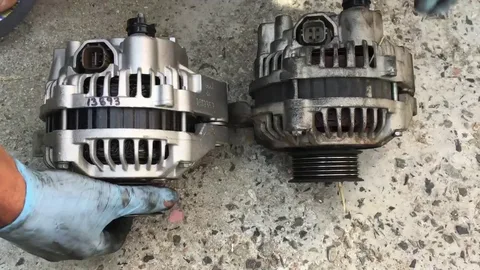

Are you looking to learn more about the Honda Civic Alternator? If so, you have come to the right place! This blog post will provide you with all the necessary information you need to know about the Honda Alternator. From its features and benefits to its installation and maintenance, we will cover all the basics of the Honda Alternator so you can make the best decision for your car.
What Is a K20Z2 Alternator?
The K20Z2 alternator is a part of the Honda Civic’s electrical system that generates electricity to power the vehicle. The alternator is connected to the engine, and it works by using an electromagnet inside a rotor to convert mechanical energy into electrical energy. This electricity is then sent to the battery, and then throughout the car’s electrical system. The alternator is a reliable and powerful part, and is considered to be one of the most dependable and high-performance alternators available for Honda Civics. This particular alternator is designed to produce a high amount of power for long-term use, making it a great choice for those looking for dependability in their cars. It is also compatible with all standard aftermarket parts, so if you ever need to replace any components, you won’t have any trouble finding compatible parts. The alternator also has some features that make it unique among other types of alternators, such as its brushless design which provides superior performance and extended lifespan. Finally, this model has been tested to ensure that its maximum voltage capacity meets or exceeds OEM specifications so you can rest assured that your car’s electrical system will remain in top condition.
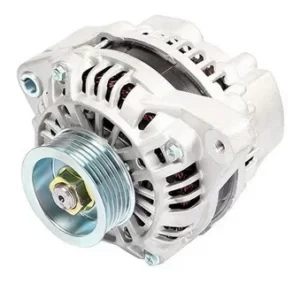 How Does a K24A3 Alternator Work?
The K24A3 alternator is an important component of the Honda Civic’s electrical system. It produces power that helps keep your car running smoothly and reliably. In a nutshell, it converts mechanical energy into electrical energy. The alternator consists of a rotor, stator, voltage regulator, and rectifier bridge. The rotor is a rotating coil of wire that spins inside the stator – a stationary iron core with three windings of wire wrapped around it. As the rotor spins, it produces a magnetic field that interacts with the stator to generate alternating current (AC). This AC is then sent to the rectifier bridge, where it is converted into direct current (DC) and sent to the voltage regulator. When everything is working properly, the alternator is constantly producing power while the engine is running. This ensures that all of the electronics in your car receive the power they need to operate correctly. Without it, none of your vehicle’s accessories would be able to function, making your Honda Civic unreliable and possibly unsafe.
What Are the Symptoms of a Failing Alternator?
One of the most important components of your Honda Civic is the alternator. If it starts to fail, you may experience several issues with your vehicle. The most common symptoms of a failing alternator in a Honda Civic are battery warning lights, dim headlights or other electrical accessories, trouble starting the engine, and an odd burning smell. The first and most obvious sign that your Honda Alternator is failing is a battery warning light on your dashboard. This could mean that your alternator is not producing enough energy to keep the battery charged properly. This issue is also often accompanied by dimming headlights or other electrical accessories, such as the radio or power windows, due to a lack of electricity being produced. Finally, a burning smell coming from your engine can also be indicative of a failing alternator in the Honda Civic. This happens when the alternator’s pulley bearings or other internal components begin to wear out and overheat. If you experience any of these symptoms with your Honda Euro Alternator or Accord Alternator, it is important to have it checked out by a professional immediately.
How Much Does It Cost to Replace a Honda Accord Euro Alternator Alternator?
Replacing a Honda Accord Euro Alternator alternator can be a costly job. Depending on the year, make, and model of your car, the cost of a new alternator can range from about $200 to $400. This does not include labor costs, which can add $100 to $200 depending on the complexity of the job. If your car has a hybrid drivetrain, the cost of replacing the alternator can be even more expensive due to the specialized parts that are needed. It is best to consult a professional mechanic for a more accurate estimate. Make sure you bring in your Honda Euro Alternator vehicle’s VIN so the technician can order any required parts for replacement in advance. The Honda Euro Alternator alternator is an essential part of the electrical system as it powers all electrical components in the vehicle including the lights, radio, and other accessories. An old or damaged alternator may cause these components to malfunction or fail altogether. It is important to have the Honda Euro Alternator alternator inspected regularly by a certified technician. By being proactive with regular maintenance, drivers can avoid bigger issues down the line such as complete failure of the alternator. Furthermore, if your Honda Euro Alternator alternator needs repair or replacement, use only genuine Honda parts. Genuine Honda parts provide better quality and reliability than aftermarket alternatives. They also come with a warranty ensuring proper fitment and performance when used correctly.
How Often Does an Accord Alternator 4cyl Need to Be Replaced?
Replacing an Accord Alternator 4cyl is not something that should be done too often. Generally, the lifespan of an Accord Alternator is around 7-10 years or up to 150,000 miles, whichever comes first. However, this may vary depending on usage and the overall condition of the car. It is important to keep an eye on any warning signs that may indicate that the alternator is beginning to fail and if so, you should have it checked out immediately. Regular inspections and tests will also help to detect any potential issues before they become more serious. If you notice a decrease in performance, strange noises, electrical failures, or dimming lights, then it’s likely time for your Accord Alternator to be serviced. A qualified mechanic will be able to examine the alternator for any potential problems and advise on whether a replacement is necessary. If the alternator does need to be replaced, make sure to use a genuine Honda part for best performance and reliability. Additionally, always ensure that your Accord receives regular oil changes as well as filter changes – as a well-maintained engine will in turn reduce stress on your Accord’s alternator.
Conclusion
The Honda Alternator is a vital component of the car’s electrical system and needs to be kept in good condition in order to ensure that your vehicle runs smoothly. If you experience any of the signs of a failing alternator, such as dimming headlights, difficulty starting the engine or hearing strange noises, it’s important to get the issue checked out right away. Replacing an alternator on a Honda Civic can cost anywhere from $200-$400 depending on the model year and type of alternator. The average Accord alternator will usually need to be replaced after around 80,000 miles of use. By understanding how an alternator works, being aware of the symptoms of a failing one and getting it replaced when necessary, you can help keep your car running for years to come.
Source Link: Everything You Need to Know About the Honda Civic Alternator